Rapper Pooh Shiesty Faces Federal Kidnapping Charges in Label Dispute
Federal prosecutors charge rapper Pooh Shiesty with kidnapping and robbery in a contract dispute involving Gucci Mane's 1017 Records. Latest legal developments.
Federal Charges Filed Against Rapper in Alleged Label Dispute Kidnapping
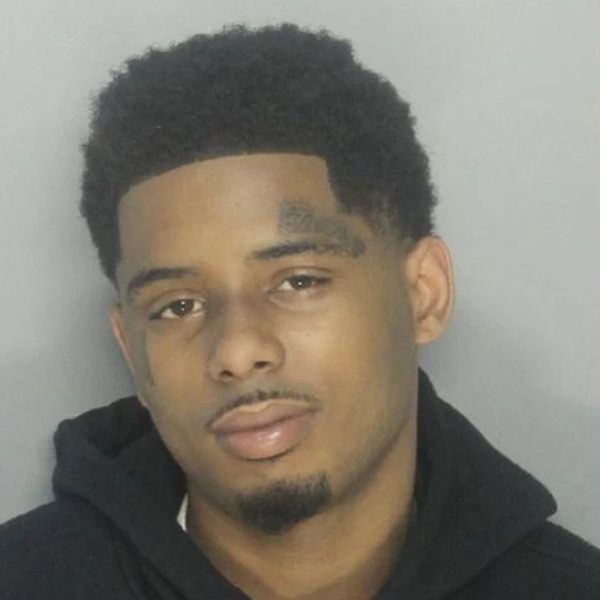
Federal prosecutors in Dallas have brought serious charges against rapper Pooh Shiesty, whose legal name is Lontrell Williams Jr., along with eight other individuals. The indictment alleges that the group kidnapped and robbed three men at gunpoint in Texas earlier this year. According to court documents, the incident stemmed from a contract disagreement involving Gucci Mane's record label, 1017 Records.
Details of the Alleged Incident
The confrontation reportedly took place on January 10, when the victims traveled to Dallas for what they believed was a business meeting. Prosecutors state that Williams arranged the meeting to discuss terms of his recording contract. Once inside a studio, Williams allegedly produced an AK-style pistol and forced one victim to sign a release from the contract. Other defendants then displayed firearms and robbed the victims of watches, jewelry, cash, and other personal items. One victim was reportedly choked to near unconsciousness, and another defendant blocked the door to prevent escape.
One of the victims is identified in the indictment only by the initials R.D., described as the owner of 1017 Records. Gucci Mane, whose legal name is Radric Delantic Davis, founded the label. Publicists for Gucci Mane have not responded to requests for comment on the case.
Legal Background and Investigation
At the time of the alleged incident, Williams was on home confinement for a prior firearms conspiracy conviction in Florida. His attorney from that case has not replied to inquiries. In a related development, the FBI executed court-ordered warrants at a property in Cordova, Tennessee, owned by Williams.
Gucci Mane remains an influential figure in hip-hop, known for pioneering trap music and launching careers of artists like Young Thug. He has been open about personal challenges, including mental health diagnoses and sobriety, while continuing to release music and pursue business ventures.
This case highlights the intersection of legal issues and the music industry, particularly involving contract disputes and alleged criminal activity. As the legal process unfolds, it serves as a reminder of the serious consequences that can arise from such conflicts.